

Starting a business from scratch often sounds like something reserved for people with deep pockets, business degrees, or rich uncles. But affiliate marketing? That’s a game-changer, especially if you’ve got big dreams and zero dollars. Affiliate marketing is one of the very few online business models that allow you to start with virtually no capital. All you need is your time, a bit of hustle, and a strategic mindset. It’s not some “get-rich-quick” scheme but it is one of the most realistic ways to make money online without ever creating your own product or holding inventory.
So, what exactly is affiliate marketing? In simple terms, it’s promoting other people’s (or companies’) products and earning a commission when someone buys through your unique referral link. Think of yourself as the middleman you don’t create the product, you just connect a buyer with a seller and earn a piece of the pie for making the intro.


Now, here’s the best part you don’t need to spend a dime to get started. No website costs, no paid ads, no inventory. Just some free tools, a commitment to learning, and a burning desire to build something for yourself.
This guide will walk you step-by-step through how to start affiliate marketing with no money. Whether you’re a student, a stay-at-home parent, or someone just looking to escape the 9-to-5 grind, you’ll learn how to turn your time and effort into income with zero upfront investment.
Understanding Affiliate Marketing Basics
How Affiliate Marketing Works
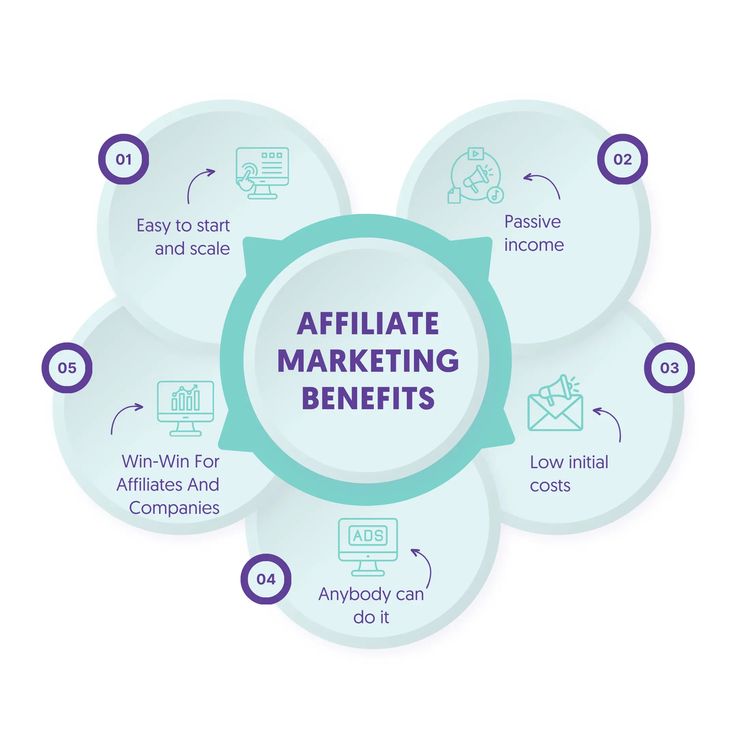
At its core, affiliate marketing is like being a digital sales rep. You sign up to promote a product or service, and the company gives you a unique tracking link. Whenever someone clicks your link and completes a purchase, you get paid a commission. Simple, right?
Let’s say you love a certain brand of fitness supplements. You join their affiliate program, get your personal link, and then share it in a blog post, a YouTube video, or on Instagram. When someone clicks that link and buys the product, boom you earn a percentage of the sale. You don’t handle the product, you don’t process the payment, and you don’t deal with shipping. You’re just the connector.

Affiliate marketing operates on different commission models:
- Pay Per Sale (PPS): You earn a fixed or percentage-based fee for each sale.
- Pay Per Click (PPC): You get paid for sending traffic, regardless of sales.
- Pay Per Lead (PPL): You’re paid when someone completes a specific action like signing up for a newsletter or filling out a form.
Understanding how these models work helps you pick the right programs and strategies to maximize earnings.
Key Players in the Affiliate Ecosystem
There are three major players in affiliate marketing:
- The Merchant (a.k.a. the Creator, Seller, or Brand): This is the person or company who creates the product.
- The Affiliate (You): You promote the product and earn a commission for sales.
- The Customer: They buy the product through your referral link.
Sometimes, a fourth player Affiliate Networks steps in to manage the relationship between merchants and affiliates. These networks provide a hub where you can browse multiple offers, access marketing materials, and track your earnings.
Common Affiliate Marketing Terms
To navigate this world confidently, you’ll need to understand a few key terms:
- Affiliate Link: A unique URL that tracks your referrals.
- Commission Rate: The percentage or amount you earn per sale.
- Cookie Duration: The length of time your referral is tracked after someone clicks your link (e.g., 30 days).
- Conversion Rate: The percentage of clicks that result in a sale.
- Landing Page: A web page designed to convert visitors into leads or sales.
The Mindset for Starting with Zero Budget
Patience and Persistence
Affiliate marketing isn’t a race it’s a marathon. Especially when you’re starting with no money, your time becomes your investment. You’ll need to be consistent with your efforts, whether that’s posting content, engaging with your audience, or learning new skills.
You won’t see instant results, and that’s okay. Most successful affiliate marketers took months, sometimes even a year, before they saw meaningful income. But every blog post, every social media update, every YouTube video it all adds up. Think of it like planting seeds. Water them consistently, and eventually, you’ll grow a thriving income stream.
Also Read: What Are Backlinks and Why Do They Matter for SEO in 2025?
Embracing the Learning Curve
There’s a LOT to learn when you start from picking a niche, creating content, learning SEO, understanding analytics, and more. But here’s the good news: everything you need to know is available online for free.
YouTube, free blogs, Reddit forums, podcasts they’re gold mines of information. The key is to learn as you go. Don’t wait until you feel “ready.” You’ll never feel 100% ready. Instead, take action, then adjust as you learn.
Building Trust Before Earning
One of the biggest mistakes new affiliates make is jumping straight into promotion. People won’t buy from you if they don’t trust you. Focus first on giving value helpful content, honest reviews, free advice. Build an audience that trusts you, and then the sales will come naturally.
Remember, people buy from those they know, like, and trust. So ask yourself: would you buy from someone you just met who’s trying to sell you something? Probably not. But if you’ve been following someone who consistently gives helpful advice? You’re much more likely to say yes.
Choosing a Niche That Works
Importance of Picking the Right Niche
Your niche is your foundation. It’s the specific topic or industry you’ll focus on and it can make or break your affiliate marketing journey. Picking the wrong niche is like setting sail in the wrong direction. Sure, you’re moving, but you’ll never get where you want to go.
So, how do you pick the right one? Start with three simple questions:
- What do I enjoy talking or learning about?
- What do I already know or have experience in?
- Are people willing to spend money in this area?
When passion meets profitability, that’s the sweet spot. Your niche should excite you and have earning potential. That way, you won’t burn out, and you’ll stay motivated when results are slow.
How to Research a Profitable Niche
Use free tools like Google Trends, Reddit, AnswerThePublic, and keyword research tools like Ubersuggest or Google Keyword Planner. Look for:
- High search volume
- Low to medium competition
- Clear monetization opportunities

Check forums, Facebook groups, and product reviews in your chosen niche. What problems do people face? What solutions are they paying for? Your job is to connect those two dots with valuable content and affiliate links.

Evergreen vs Trendy Niches
Evergreen niches (like health, wealth, relationships, and hobbies) are always in demand. They offer long-term stability. Trendy niches (like the latest gadgets or viral TikTok products) can bring quick wins but are often short-lived.
A smart strategy? Start with an evergreen base and sprinkle in trendy offers when they align with your audience. That way, you get the best of both worlds consistent traffic and potential for viral spikes.
Finding Affiliate Programs That Don’t Require Investment
High-Paying Affiliate Programs for Beginners
You don’t need to spend money to start making it that’s the beauty of affiliate marketing. But here’s the kicker: not all affiliate programs are created equal. Some pay peanuts, while others offer hefty commissions (sometimes even recurring!). So, if you’re starting with no money, you’ll want to choose programs that give you the best bang for your buck or, in this case, your time.
Here are a few high-paying affiliate programs that are beginner-friendly and absolutely free to join:
- ClickBank: Known for digital products with high commission rates (up to 75%). Great for niches like health, fitness, self-help, and online education.
- PartnerStack: A platform with software and SaaS companies offering recurring commissions.
- Bluehost: Popular web hosting company that pays $65–$130 per signup. Great for promoting to bloggers and online entrepreneurs.
- Shopify: Pays $58–$2,000 per merchant referred, depending on the product.
- Fiverr Affiliates: Earn up to $150 per referral when someone purchases a service.
The key is to align your program with your audience and content type. Promoting a $10 product with a 5% commission won’t make much sense unless you’ve got massive traffic. On the flip side, a $500 service with a 30% commission could earn you $150 from one sale. Focus on quality over quantity.
Affiliate Networks You Can Join for Free
Affiliate networks are like shopping malls for affiliates. They connect you to hundreds sometimes thousands of programs in one place, manage your payments, and often provide tools like tracking dashboards and promo materials.
Here are a few trusted networks you can join for free:
- CJ Affiliate (formerly Commission Junction): Huge database of well-known brands.
- ShareASale: Great for lifestyle, fashion, home goods, and software.
- Rakuten Advertising: Works with big brands like Walmart and Best Buy.
- Impact Radius: A modern platform with major digital and physical product companies.
- Amazon Associates: Not part of a network, but worth mentioning. Although the commissions are low, it’s beginner-friendly and people trust Amazon.
When you sign up, you’ll need to describe how you plan to promote products. Don’t stress if you don’t have a site many networks accept social media, YouTube, or even email marketing plans.
Evaluating Affiliate Offers
Choosing the right offer can make or break your earnings. Even if the payout looks juicy, don’t jump in blind. Consider these factors first:
- Relevance: Is it something your audience would genuinely want?
- Trust: Is the brand well-known or reputable?
- Conversion Rate: Does the sales page look clean and persuasive?
- Cookie Duration: Longer cookie windows give you more chances to earn (e.g., 30–90 days).
- Support and Tools: Good programs provide banners, email swipes, and conversion tips.
Avoid shady offers with unrealistic claims like “make $10,000 in a day” these are red flags. Instead, go for quality products that solve real problems and deliver real value.
Free Tools to Get Started in Affiliate Marketing
Free Blogging Platforms (WordPress.com, Blogger)
If you don’t want to spend a dime on hosting or a domain, no problem. Free blogging platforms can help you get started and they’re perfect for publishing content that can drive traffic and affiliate sales.
Here are two solid options:
- WordPress.com: Not to be confused with WordPress.org (which is self-hosted), this version lets you create a free blog in minutes. It comes with built-in themes and an easy editor.
- Blogger (by Google): Simple to use and tightly integrated with Google tools like AdSense and Analytics.

While these platforms have some limitations (like limited customization and branding), they’re great for beginners. Your focus should be on writing valuable, SEO-optimized content with affiliate links.
Tips for success:
- Focus on one niche
- Use long-tail keywords
- Write product reviews, how-to guides, and comparison posts
- Avoid spamming affiliate links; make sure they fit naturally into your content
Once you start seeing results, you can consider upgrading to a custom domain and self-hosted WordPress site for full control.
Social Media as a Launch Platform
If blogging feels overwhelming or slow, social media can be your rocket ship. Platforms like Instagram, TikTok, Twitter, Facebook, and Pinterest are goldmines for affiliate marketers who know how to use them strategically.
Best part? They’re 100% free.
Here’s how to make them work for you:
- Instagram: Use Reels, Stories, and carousel posts to drive engagement. Use a bio link tool (like Linktree or Beacons) to include multiple affiliate links.
- TikTok: Create short videos giving reviews, tutorials, or before-and-after transformations. Viral content spreads fast here.
- Pinterest: Pin visually appealing images that link to affiliate content or your blog posts.
- Facebook Groups: Join or create a group in your niche. Offer value and subtly promote affiliate links where relevant.
- Twitter: Share quick insights, links to affiliate blog posts, or deals.
The trick is not to come off as a pushy salesperson. Offer value, build relationships, and let your recommendations do the work.
Using YouTube and Podcasting for Promotion
Video and audio content are taking over and they’re incredible ways to build trust and authority. YouTube is the second-largest search engine in the world, and podcasting has exploded in popularity.


Best part? You can start both for free.
YouTube Tips:
- Record videos with your phone or use free software like OBS.
- Create product reviews, unboxings, how-to tutorials, or listicles.
- Include your affiliate links in the video description and mention them in the video.
- Use SEO-friendly titles, thumbnails, and tags to get discovered.
Podcasting Tips:
- Use free platforms like Anchor.fm to record and distribute your podcast.
- Share insights, interviews, or niche-specific tips.
- Mention affiliate products naturally during your episodes.
- Include links in your show notes or episode descriptions.
These platforms may take longer to build an audience, but the level of trust you earn through voice or face-to-face content is unmatched and that trust = conversions.
Creating Content That Converts Without Spending a Penny
Writing Value-Packed Blog Posts
Content is the lifeblood of affiliate marketing especially when you’re starting with no money. Think of your blog posts as tiny salespeople working 24/7. They educate, entertain, and guide readers toward making a decision. And when done right, they help convert casual readers into buyers.
But here’s the trick: don’t sell serve. People don’t want to feel like they’re being pitched every five seconds. They’re looking for honest, useful, and actionable information. Your job is to deliver that, with affiliate links woven in naturally.
Types of blog posts that convert like crazy:
- Product reviews: Share your experience, pros and cons, and who it’s best for.
- Comparison articles: Compare two or more products side-by-side. (Example: Bluehost vs. HostGator)
- Best-of lists: These are roundup posts like “10 Best Budget Laptops Under $500.”
- How-to guides: Teach your audience something useful and recommend tools or products as part of the process.
Tips for writing killer content:
- Use attention-grabbing headlines.
- Break your content into small chunks with subheadings and bullet points.
- Be honest. If a product has flaws, mention them.
- Always include a call-to-action (CTA) like “Check it out here” or “Grab yours now.”
SEO bonus: Make your posts long-form (1,500–2,000+ words), include target keywords naturally, and use images or infographics to break up the text.
Also Read: Writing Blog Posts Like a Netflix Series: The Art of Storytelling
Using Email Marketing for Free
You might think email marketing is for the pros but even beginners can start building a list without spending a dime. And guess what? Your email list is one of your most valuable assets in affiliate marketing. These are people who’ve chosen to hear from you. That’s gold.

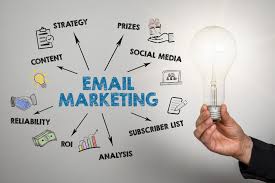
Here’s how to start for free:
- Use free tools like MailerLite, Mailercloud, or ConvertKit’s free plan.
- Create a simple lead magnet (like a checklist, cheat sheet, or mini ebook).
- Promote the lead magnet on your blog, social media, or YouTube.
- Send weekly emails with helpful tips, stories, and product recommendations.
The magic happens in the relationship you build. Don’t spam your list. Focus on giving value, sharing insights, and helping people solve problems. Then, when you recommend something your audience is more likely to trust you and buy.
Sample email structure that works:
- Hook (Interesting opening line)
- Story or value (Relatable experience or tip)
- Transition to offer (Why this product helped you)
- Call-to-action (Link to your affiliate offer)
Leveraging Free Forums and Communities
You don’t need a website to start promoting you just need people. And guess what? Online communities are full of people asking questions, sharing problems, and looking for solutions. Your job is to show up and be helpful.


Places to find active communities:
- Reddit: Subreddits like r/SideHustle, r/AffiliateMarketing, r/PersonalFinance
- Quora: Answer questions related to your niche and include helpful links.
- Facebook Groups: Join niche-specific groups, add value, and build connections.
- Discord Servers: Many niches have active chat groups with engaged members.
But hold up don’t just drop your affiliate link and run. That’s a one-way ticket to getting banned. Instead:
- Answer questions thoroughly
- Share your blog post or YouTube video (with affiliate links inside)
- Be consistent and helpful
- Build credibility before selling
Eventually, people will start recognizing you as a trusted voice in the community and that trust leads to clicks and commissions.
Understanding SEO Without Paying a Dime
What is SEO and Why It’s Vital
If affiliate links are your engine, then SEO (Search Engine Optimization) is the fuel that keeps it running. It’s how people find your content in Google searches without you having to pay for ads. And when you’re on a no-money budget, organic search traffic is your best friend.
SEO is the process of optimizing your content so that search engines like Google rank it higher. Higher rankings mean more clicks, more traffic, and more sales. Simple, right?
Here’s why SEO is a game-changer:
- It brings targeted traffic people already searching for what you offer.
- It compounds over time one blog post can drive traffic for years.
- It doesn’t require a big budget just time and consistency.
And contrary to what you might think, SEO is not rocket science. It just takes a little learning, some free tools, and the willingness to apply what you learn.
Free Keyword Research Tools
Keyword research is the foundation of SEO. It tells you what your audience is searching for, so you can create content around those topics. And yes you can do this without spending a penny.
Here are a few free tools that get the job done:
- Ubersuggest (by Neil Patel): Gives you keyword suggestions, difficulty scores, and search volume.
- Google Keyword Planner: Requires a free Google Ads account, but offers in-depth keyword data.
- AnswerThePublic: Visualizes questions people ask around your keyword.
- Google Trends: Shows keyword popularity over time and by region.
- Keyword Surfer (Chrome extension): See keyword volume and suggestions as you browse Google.
Focus on long-tail keywords these are longer, more specific phrases like “best keto snacks for beginners.” They’re easier to rank for and bring more targeted visitors.
Once you find your keywords, sprinkle them naturally in your:
- Headline
- Subheadings
- Meta description
- URL
- First 100 words
- Alt text of images
On-Page SEO Tips for Beginners
Good content is just the beginning you also need to make it easy for search engines to understand and rank your page. That’s where on-page SEO comes in.
Here’s a beginner-friendly checklist:
- Title Tag: Include your target keyword.
- Meta Description: Write a compelling summary with your keyword.
- Headings (H1, H2, H3): Organize your content and include relevant keywords.
- Internal Links: Link to other posts or pages on your site to keep visitors engaged.
- External Links: Link to high-authority sources when relevant.
- Image Optimization: Use descriptive file names and alt text.
- Mobile-Friendly Design: Most users are on their phones — make sure your site works for them.
- Fast Load Time: Use compressed images and a clean layout to speed things up.
Even if you’re using a free platform like WordPress.com or Blogger, you can apply most of these tactics. The goal is to make your content helpful for humans and understandable for search engines.
Scaling Up: From Zero to Consistent Affiliate Income
Tracking Your Performance
Once you start getting traffic and clicks on your affiliate links, it’s important to track what’s working and what’s not. Most affiliate programs offer basic dashboards showing clicks, conversions, and commissions. But to dig deeper, you can use tools like:
- Google Analytics: Track traffic sources, popular pages, and user behavior.
- Bitly or Pretty Links: Shorten affiliate links and track clicks.
- UTM Parameters: Add tags to URLs to track campaign performance in Google Analytics.
Tracking helps you focus your efforts on what works. For example, if you notice product reviews are converting better than tutorials, you can double down on those.
When and How to Reinvest
Once you start earning a little money, it’s time to think about reinvesting. This doesn’t mean blowing your first $50 on a luxury dinner (though we won’t judge!). Instead, think of how you can speed up growth.
Smart ways to reinvest:
- Buy your own domain and hosting: Go self-hosted with WordPress for full control and better SEO.
- Invest in better tools: Like email marketing platforms, SEO tools, or design software.
- Run low-budget ads: Promote your best content to boost visibility.
- Outsource tasks: Hire a content writer or designer on Fiverr or Upwork.
The goal is to slowly transition from free strategies to scalable systems without breaking the bank.
Conclusion: Yes, You Can Start Affiliate Marketing with No Money
Affiliate marketing isn’t just for big influencers or tech wizards. It’s for anyone with a bit of hustle, creativity, and patience. You don’t need thousands of dollars, fancy tools, or even a website to begin. All you need is a clear strategy, valuable content, and consistent effort.
Start with what you have whether it’s a social media account, a YouTube channel, or a free blog. Focus on helping people, solving problems, and offering value. Over time, those small efforts will stack up into something big.
So, what’s stopping you? Your journey to making passive income online could literally start today no money required.